
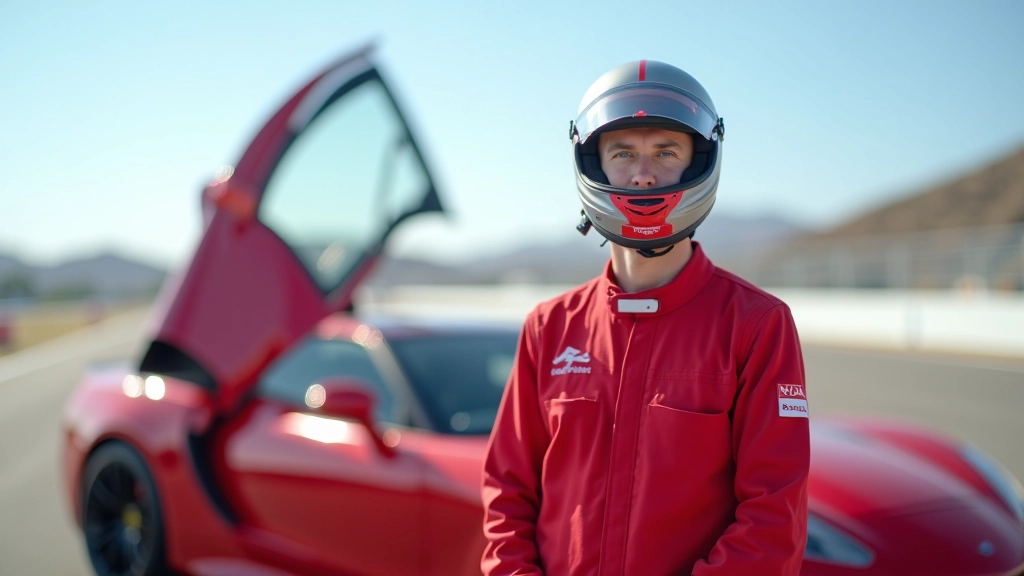
The Day Before: What You Actually Need to Know
Here's the truth — most people show up underprepared. Not in a dangerous way, but in a "wish I'd known this earlier" way. Your track day starts the moment you arrive. You'll check in, get briefed on the day's schedule, and meet your instructor. Most facilities run 3-4 driving sessions, each about 20 minutes of actual track time. Between sessions, you'll debrief with your instructor, grab water, and get mentally ready for the next run.
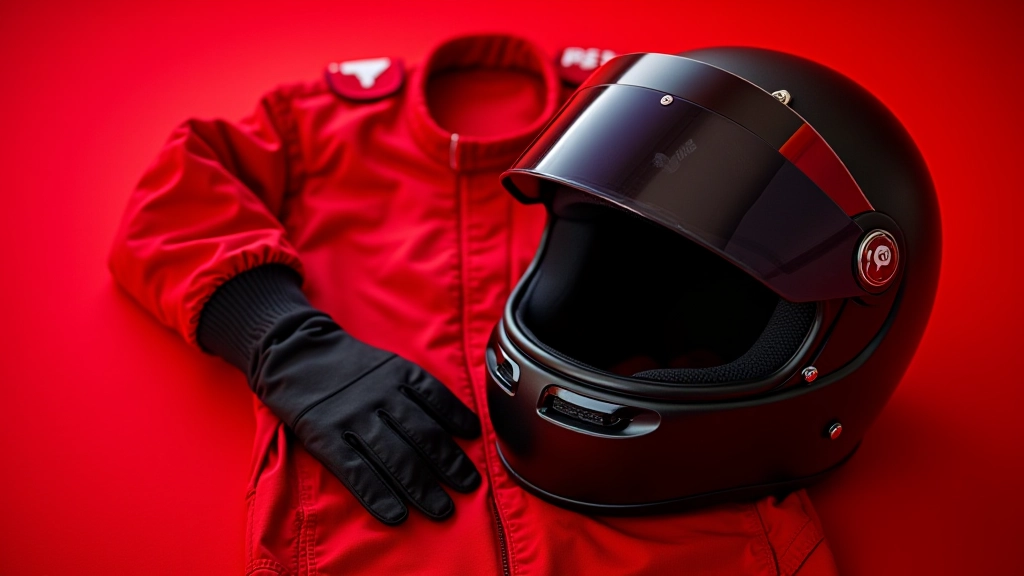
What you bring matters more than you think. You'll need closed-toe shoes — driving shoes are ideal, but clean sneakers work fine. Bring a helmet (or rent one if your facility offers rentals). Pack a change of clothes because you'll sweat in the car. The g-forces on corners can be intense, and adrenaline keeps you warm even in air-conditioned supercars. Bring at least two liters of water. Seriously. Dehydration hits harder than you'd expect, especially if you're not used to the physical demands of high-speed cornering.

How Instructors Work With You on Your First Session
Your instructor isn't there to judge you. They're there to keep you safe and help you understand what the car can actually do. In your first session, you'll sit in the right seat while they drive. You'll feel the braking points, the turn-in, the apex, the acceleration zones. You'll experience real g-forces. Don't expect to be comfortable — expect to be amazed.
After that ride-along, you'll switch seats. Now you're driving. Your instructor will coach you through each corner — "brake earlier here," "carry more speed through this section," "feel the load transfer on entry." It sounds like a lot of information, but it's delivered naturally. You're not memorizing a lecture. You're learning through doing.
The reality? Your first lap will feel slow. Your second lap will feel fast. By your third or fourth lap, you'll start finding rhythm. Don't chase lap times. Focus on smoothness, consistency, and understanding how the car responds to your inputs. That's what separates drivers who improve from those who just go fast once.
Important: Realistic Expectations
Track day experiences involve high-speed driving and carry inherent risks. This guide is educational and informational only — not a substitute for professional instruction. Always follow your facility's safety protocols, listen to your instructor, and drive within your skill level. Physical fitness matters more than you might think. Consult with your physician if you have any health concerns about the physical demands of high-speed driving, including sustained g-forces and adrenaline response. Track day facilities carry liability protection and liability waivers for good reason.
Physical Demands: What Your Body Will Experience
Most people underestimate the physical side of track driving. A supercar pushing 1.2 to 1.5 g's through corners creates real physical stress. Your neck, shoulders, and core work harder than normal driving. If you haven't exercised in six months, your body will let you know about it the next day.
You don't need to be an athlete. But you should be able to hold yourself steady in a car seat during hard cornering. Simple neck and shoulder strengthening exercises the week before help. Stretching matters too. And honestly? Your mental focus is more important than physical strength. Concentration for 20 minutes at full attention is harder than it sounds.
Speed Progression and Realistic First-Session Performance
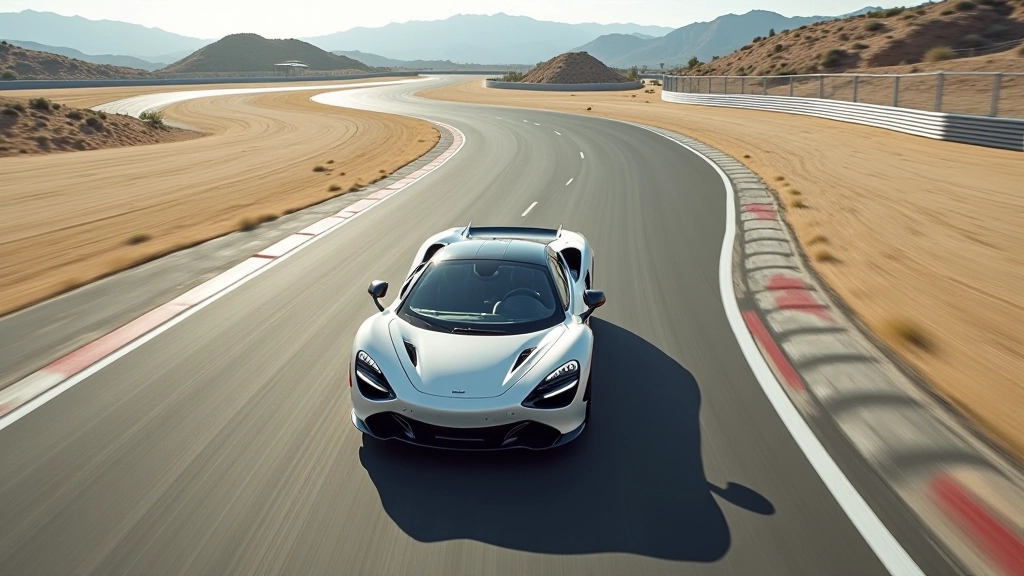
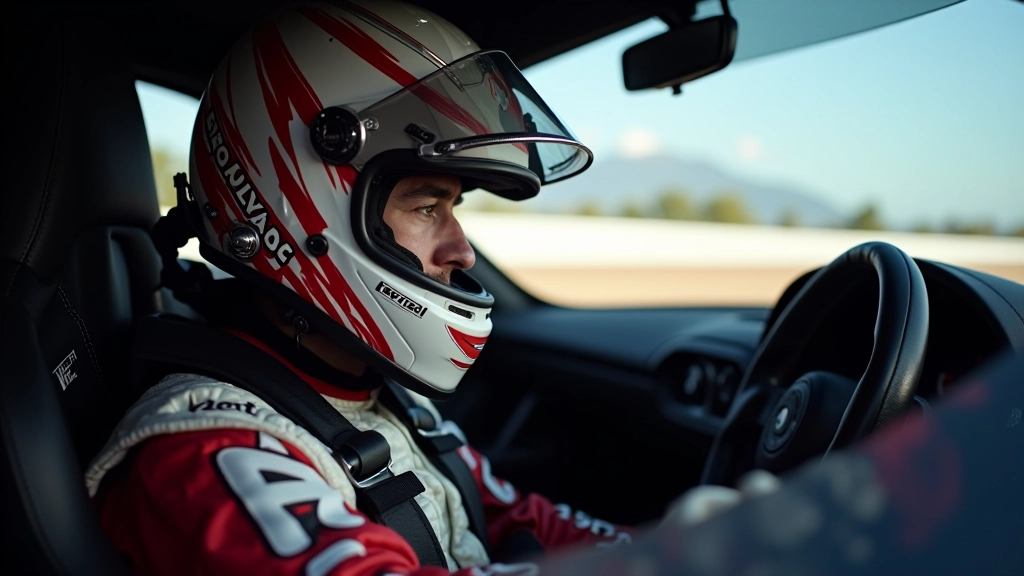
You won't be breaking lap records on your first day. That's not what this is about. A realistic first session looks like this: your first lap you're finding the track. Your second lap you're driving smoothly but cautiously. By lap three or four you're starting to push. By lap five you're probably approaching a reasonable pace. Your best lap might come on lap six or seven.
Most first-timers average 15-20 minutes of actual driving across 3-4 sessions. You'll spend another 15-20 minutes just sitting with your instructor, debriefing, asking questions, learning. That downtime is valuable. That's when you're absorbing what happened, understanding the feedback, planning the next session.
The metric that matters isn't your speed — it's your improvement. Can you brake later by the third session? Can you hold more speed through the high-speed turn? Can you feel the car's limits better? Those are the wins. Speed comes naturally when technique improves.
What to Expect Walking Away From Your First Track Day
You'll be tired. You'll probably be sore the next day — your forearms especially if you're gripping the wheel too tight. You'll be buzzing with adrenaline for hours. You'll replay corners in your head. You'll think about how that one turn felt smoother on lap four than lap two.
Most people come back. They want to refine what they learned. They want to hit that corner 5 mph faster. They want to feel that smooth line through the technical section again. It's addictive in the best way — not because of the speed, but because of the learning. Track driving teaches you something about the machine, about your own limits, and about what focus actually feels like.
Bring water. Wear good shoes. Listen to your instructor. Don't expect to be perfect. Show up curious, stay humble, and you'll have one of the best days you've experienced in years.