
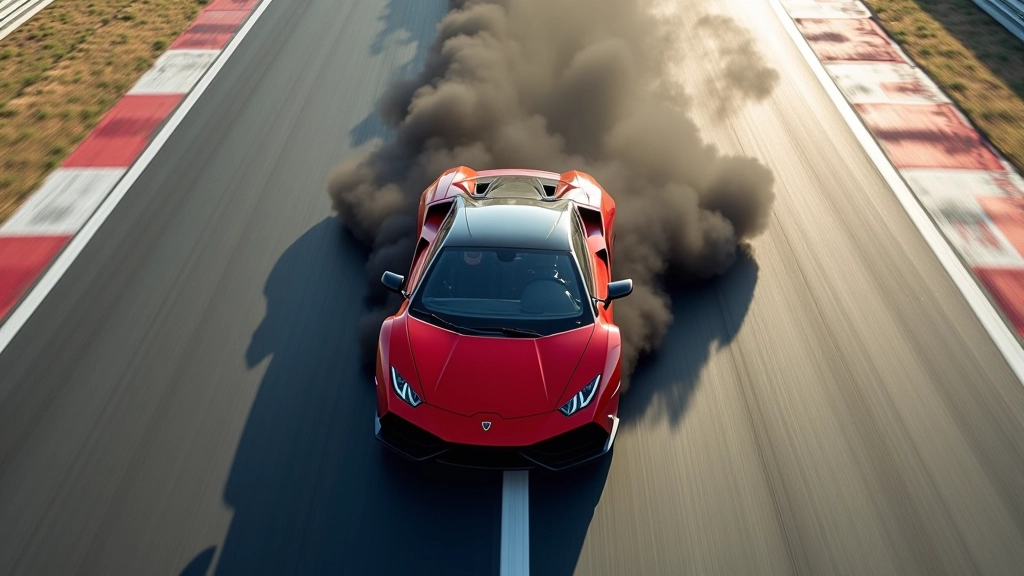
Launch Control Mastery: Perfect Acceleration Every Time
Discover launch control systems, traction management techniques, and how to achieve maximum acceleration off the line on the track.
Learn how to identify the optimal racing line through each corner, understand apex positioning, and apply it to any track configuration.
The racing line isn't just a theory you read about in driving manuals. It's the actual path your tires follow through a corner, and getting it right makes the difference between smooth, efficient cornering and fighting your car at the limit. The racing line is about geometry, physics, and trust — you've got to understand how it all connects.
Here's the core idea: most drivers enter a corner too early and exit too late. That's backwards. The optimal line does the opposite — it delays your turn-in point, carries more speed through the apex, and gets you back on the throttle sooner. On a 2.5-mile track like Arcadia's circuit, nailing this on every corner can save you 3-4 full seconds per lap.
The apex is the innermost point of the corner — where your car is closest to the inside of the turn. This is where you're traveling at your slowest speed, but it's also where everything matters most. Your positioning at the apex determines how much speed you can carry into the next straight.
Most drivers aim for the geometric center of the corner. That's a mistake. You want the apex about 40-50% of the way through the corner, not at the halfway point. This gives you more road on the exit — the part where you're accelerating and gaining speed. Think of it this way: you're exchanging a tiny bit of entry speed for significantly more exit speed. The math always wins.
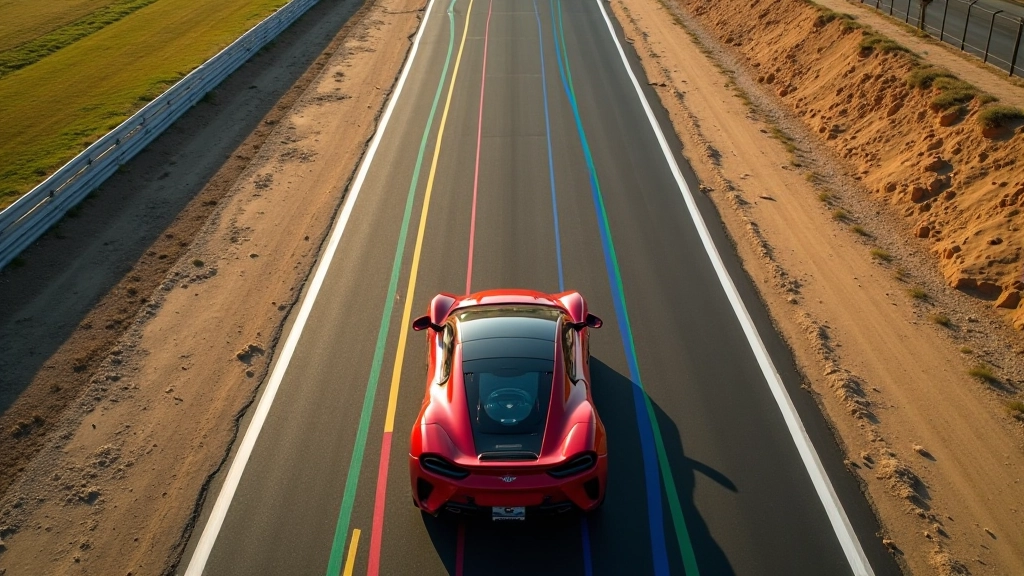
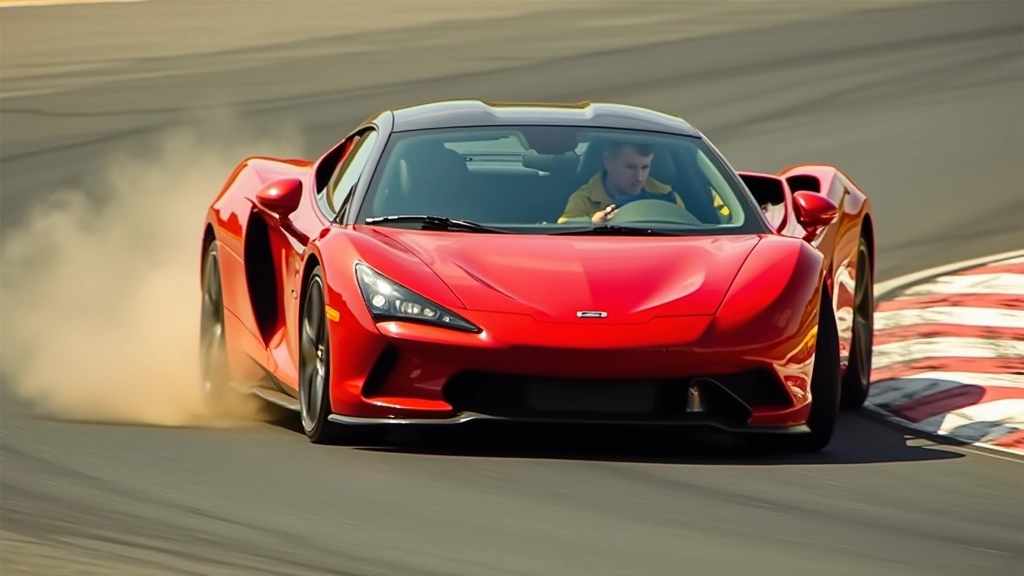
Entry speed is everything. You can't change your approach halfway through a corner — the physics won't allow it. So you've got to get the speed right before you even touch the steering wheel. That's why we focus so much on the braking zone. You want to be completely finished braking by the time you're pointing into the turn.
Turn-in point is where you start rotating the car toward the apex. Most drivers turn in too early because it feels natural — you see the corner and instinctively steer toward it. But that's trail-braking territory, and you're not ready for it yet. Wait longer. You'll feel uncomfortable at first. That feeling goes away after 20 laps. The delayed turn-in gives you more options — you can adjust your line if something unexpected happens, and you're still carrying more entry speed than a traditional line.
The exit is where you gain time on other drivers. This is the part most amateurs rush. You're at the apex, traveling at your slowest speed, and every instinct tells you to get back on the throttle immediately. Don't. Wait another 0.5 seconds. Get the car pointed straight first. Then feed in the throttle smoothly.
The late apex strategy gives you more exit road because the corner opens up sooner on your side. You can start accelerating at 60% of the way through instead of 75%. On a 10-second corner, that's meaningful. You're not gaining speed faster — you're just starting sooner, which compounds into the next section of track. That's how 0.3 seconds per lap becomes 3+ seconds over a full circuit.
Real-world example: Turn 4 at Arcadia is a 110-mph left-hander. Drivers who apex at 50% through the corner exit 0.25 seconds ahead of those who apex at 60%. That's a full car length. Over 20 laps, that's an 8-second advantage from one corner.
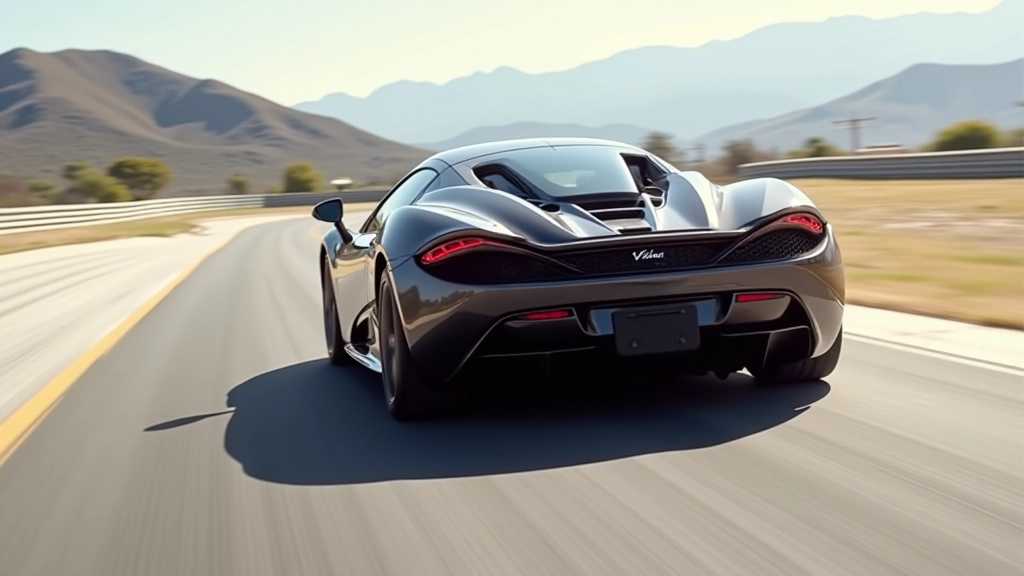
The racing line techniques described in this guide are designed for use on closed race tracks during supervised driving experiences. Always work with a certified driving instructor before implementing advanced cornering techniques. Track conditions, vehicle setup, and driver experience level all affect how these principles apply in practice. Never attempt high-speed cornering techniques on public roads. Professional instruction is essential for safe skill development.
The racing line isn't complicated once you break it down. Delayed entry. Late apex. Early exit. Three simple principles that completely transform how you approach corners. You won't master it in one session — that takes practice and feedback from instructors. But you'll feel the difference immediately. Corners that felt sketchy suddenly feel controlled. Your lines get smoother. Your lap times drop.
The best part? Once you understand the racing line, it applies everywhere. That 90-degree right-hander looks completely different when you see it as an entry-apex-exit problem instead of just "a turn." Every corner on every track becomes a puzzle you know how to solve. That's when driving at the limit stops being scary and becomes genuinely fun.
Discover launch control systems, traction management techniques, and how to achieve maximum acceleration off the line on the track.

Breakdown of horsepower, load distribution, suspension setup, and how these factors influence your cornering and acceleration performance.
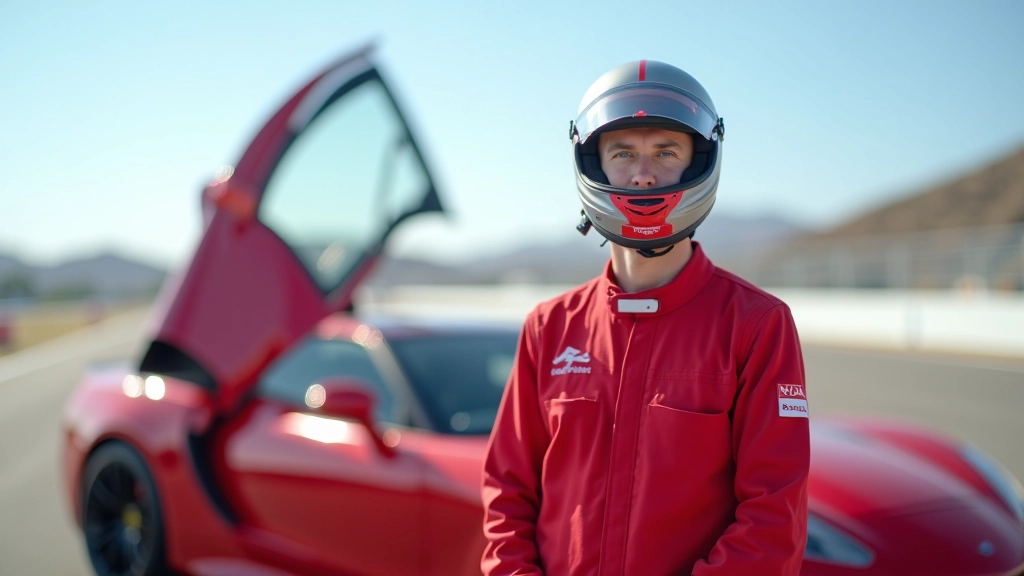
Complete guide to preparing for your first supercar track experience, including what to wear, what to bring, and how to prepare mentally.