

Mastering the Racing Line: Cornering at the Limit
Learn how to identify the optimal racing line through each corner, understand apexes and exit strategies for maximum speed.
Master the art of flawless acceleration on the track. Learn how modern launch control systems work and techniques to maximize traction from standing starts.

Launch control isn't magic. It's a precisely calibrated system that manages engine power delivery and wheel slip during acceleration from a standstill. When you're at the starting line of a track, even tiny variations in throttle application or surface conditions can cost you tenths of a second — and that's where launch control becomes your secret weapon.
Modern supercars have sophisticated sensors that monitor wheel speed, engine RPM, and tire grip in real-time. The system adjusts power delivery in milliseconds to keep your tires at the threshold of grip — not sliding, not bogging down, just maximum forward momentum. It's the difference between smoking your tires and launching clean.
The best launches happen when you're at the edge of grip — not over it. Launch control keeps you in that sweet spot automatically, so you can focus on smooth inputs and clean exits.

Editorial Team
Written by the EasyPlay Goods editorial team, focused on practical guidance for supercar driving experiences and track day preparation.
There are a few different approaches to launch control, and understanding them helps you know what you're working with when you get behind the wheel.
Most modern systems use a two-stage approach. First, the system holds RPM at a preset level — typically around 3,000-4,000 RPM depending on the car. This pre-loads the engine and gets the tires loaded against the track. Then when you release the clutch (or the system senses full throttle input), it modulates engine output to keep wheel slip within a tight window, usually 5-15% depending on track conditions.
Some cars let you adjust this slip percentage. A tighter setting (lower slip) works better on high-grip surfaces like sticky race slicks. A looser setting helps on lower-grip surfaces like worn asphalt or slightly damp pavement. It's not just one magic number — you've got to match it to conditions.
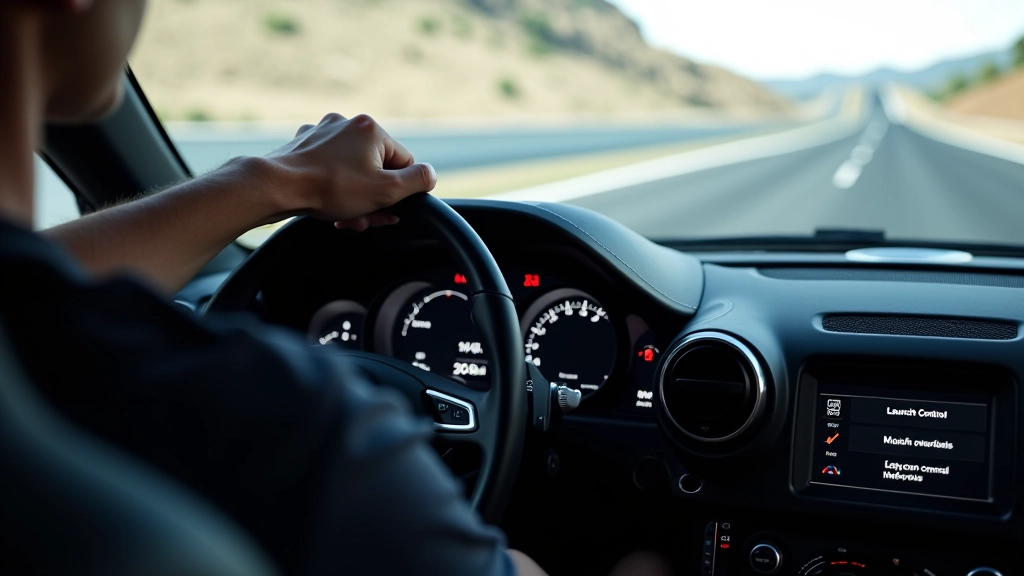
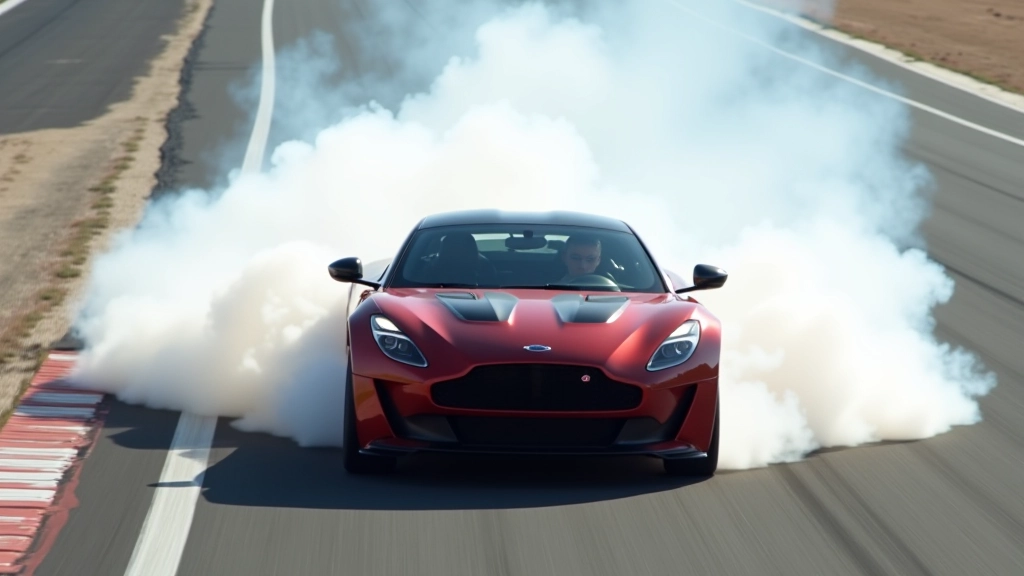
Having launch control available doesn't mean you can be sloppy with your technique. The system works best when you're smooth and deliberate.
Here's what actually matters: First, get your entry point right. Position your car straight in the grid box with good sight lines ahead. You want zero doubt about your line. Second, brake placement matters more than people think — you're setting up for the launch by braking consistently in the same spot every time.
When the system's active and you're holding at the rev limiter, keep your foot steady on the brake. Don't feather it or pump it. The moment you release the brake, feed throttle smoothly — don't stab it. Most drivers who struggle with launches are either too aggressive (creating excess wheel slip the system can't control) or too timid (letting RPM drop and losing momentum). Smooth, confident throttle application. That's it.
This guide is for educational purposes and focuses on track day techniques in controlled environments. Launch control systems vary significantly between vehicles — always consult your vehicle's manual and follow manufacturer guidelines. Track day participation carries inherent risks. Always wear appropriate safety equipment, follow track rules, and drive within your skill level. Consider professional instruction to maximize safety and performance on the track.
You can't just set launch control and forget it. Different conditions demand different approaches. A cold track in the morning grips differently than a hot track after 30 minutes of sessions. Your tire compound, track surface age, and even humidity all affect how much grip you actually have.
The key is observation. Watch other drivers' launches. Do they smoke their tires consistently? Are they getting wheelspin off the line? This tells you how much grip is available. Some drivers intentionally dial in a launch control setting that creates a tiny bit of slip — just enough to feel it and know the system is working. That feedback becomes your confidence builder.
Track temperature matters too. In the morning when it's cool, you'll have more grip. As the day progresses and asphalt heats up, grip can actually decrease slightly. So the launch settings that felt perfect at 8 AM might need adjustment by 2 PM. This isn't complicated — it's just paying attention and being willing to make small adjustments.

Launch control is a tool. It's not going to magically make you quick if your fundamentals are off. But when you combine proper technique — smooth inputs, consistent positioning, and track awareness — with the system's precision management of power delivery, you'll see real gains in your acceleration times.
The best part? You'll feel the difference immediately. That first clean launch where the tires grab and the car rockets forward without spinning or bogging down — that's the moment it clicks. You're not fighting the car anymore. You're working with it. And that's when track driving becomes genuinely fun.
Book a supercar track experience in Arcadia and work with professional instructors who'll help you perfect your launches and master high-speed driving.
Explore Track Day Experiences
Learn how to identify the optimal racing line through each corner, understand apexes and exit strategies for maximum speed.

Breakdown of horsepower, load distribution, suspension setup, and how these factors affect your driving experience.

Complete guide to preparing for your first supercar track experience, including equipment, safety checks, and mental preparation.