Beyond Raw Power
Walk into any car forum and you'll hear the same thing: horsepower numbers. It's the metric everyone talks about, but here's what we've learned from thousands of hours on track—it's not what matters most. A 600 hp car with poor load distribution will get destroyed by a 550 hp machine that's balanced perfectly. We're going to break down the real factors that separate fast supercars from mediocre ones, and show you exactly what to look for when you're evaluating track performance.
You'll see this play out in real time when you drive. The car that feels planted through corners, that responds instantly to your inputs, that lets you trust the grip—that's the one that's engineered properly. Not necessarily the loudest one in the parking lot.
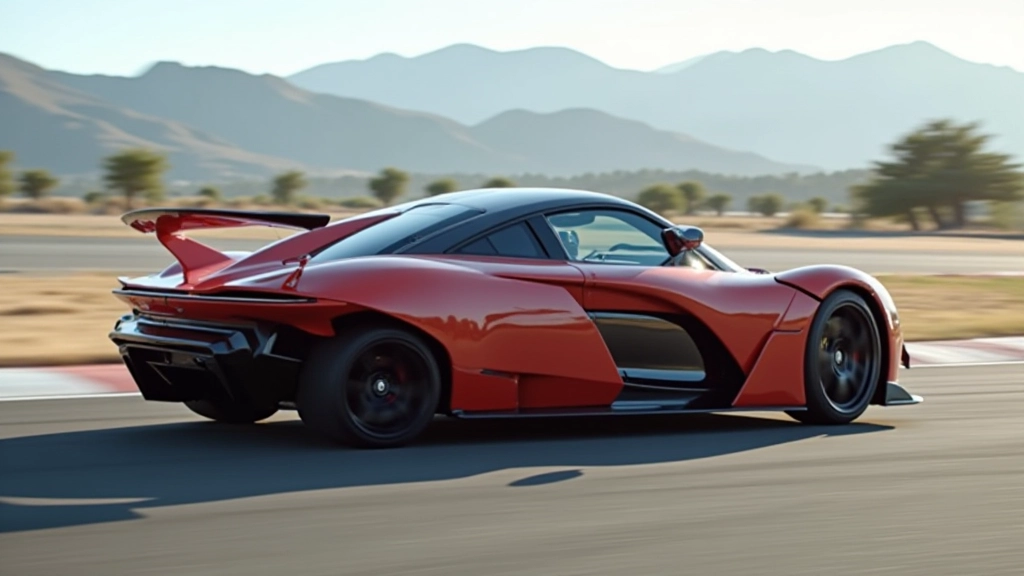
load distribution: The Hidden King
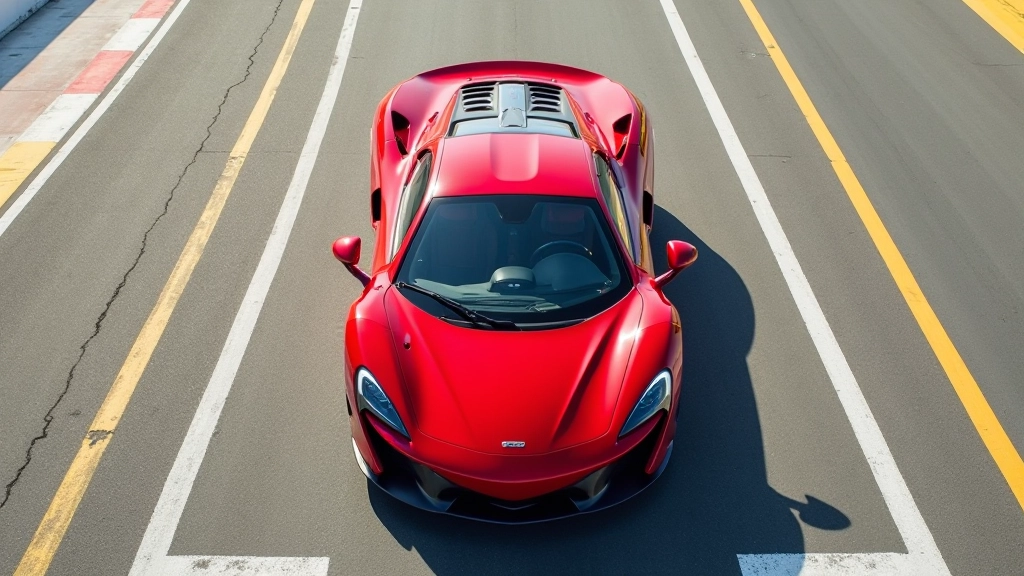
This is the thing that changes everything. A 50/50 front-to-rear mass split—or close to it—means the car behaves predictably. You get in, you brake, the front dips evenly. You accelerate, the rear plants. You turn in, the load transfers smoothly. It's like the car's talking to you through the wheel.
Compare that to a car that's 55/45 front-heavy. The front wants to push wide in corners. You need to brake earlier. The car feels numb. Mid-engine supercars—think 911 Turbo or Lamborghini—tend to sit around 45/55 rear-heavy, which means they're more tail-happy on corner exit. Some drivers love that. Others find it twitchy. The point is: load distribution dictates how a car behaves, not how much power it makes.
We've seen this firsthand. A slightly heavier car with perfect balance will out-brake, out-corner, and out-accelerate a lighter car that's poorly balanced. It's not magic—it's physics.
Suspension Geometry: The Precision Tool
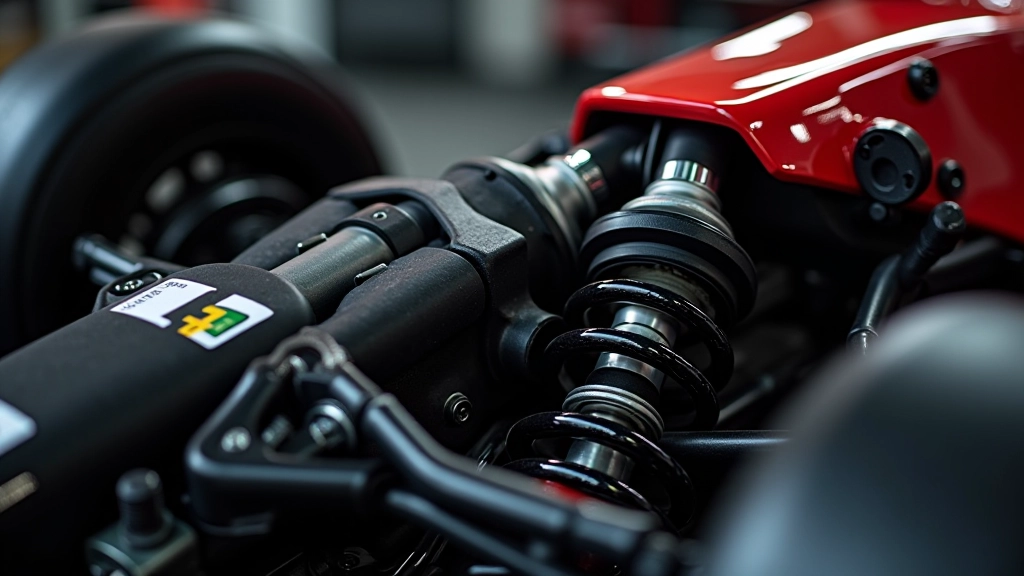
Suspension geometry—the angles and linkages that connect wheels to chassis—determines how a car turns. Get this right, and the tires stay flat to the pavement, maximizing grip. Get it wrong, and you're fighting the car constantly.
Independent double-wishbone setups give you more control over these angles than MacPherson struts. You'll feel it immediately on track. The car responds faster. Brake dive—that nose-down feeling when you brake hard—stays minimal. The chassis stays composed through rapid direction changes. You're not wrestling the steering wheel; you're making precision adjustments.
Adaptive suspension systems add another layer. They adjust stiffness in real time based on speed, lateral acceleration, and road conditions. Mercedes, Porsche, and BMW all use variants of this. On track, it means the car's always optimized. In slow corners, it's compliant. In fast corners, it's rock-solid.
Aerodynamics: Keeping It Planted
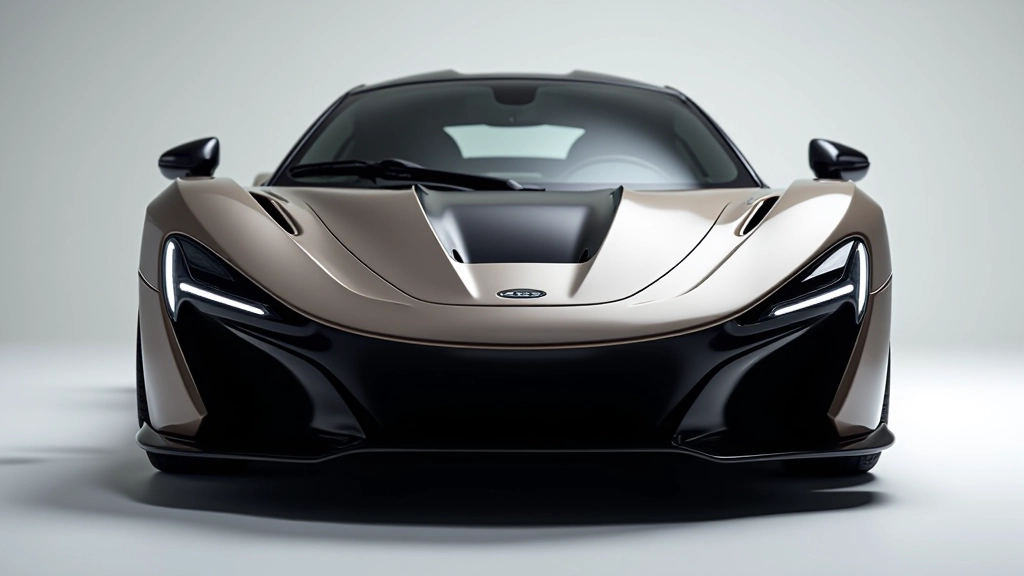
Aero isn't just about looking aggressive—though the designs are definitely aggressive. It's about generating downforce, which pushes the car onto the track. More downforce means more grip. Simple as that.
A well-designed front splitter and diffuser work together to create a pressure difference that literally sucks the car to the pavement. The faster you go, the more this effect intensifies. At 150+ mph, downforce becomes as important as the tires themselves. You'll notice this dramatically on a track day. The car doesn't just feel faster—it feels safer. It's planted. You can push harder because you trust the grip.
Drag matters too. A car with poor aerodynamic efficiency will slow down faster on straights and heat up more. You'll see your lap times suffer. Premium supercars engineer this balance carefully—generating enough downforce without creating excessive drag that kills straight-line speed.
What This Means in Practice
We put three hypothetical supercars on track to show how this works:
Car A: Raw Power
650 hp • Front-heavy balance (58/42) • Conventional suspension • Moderate aero
Straight-line monster. Brakes hard. But in the twisty bits? It's struggling. The front-heavy mass means the nose wants to push in corners. You're constantly fighting understeer. Fun for acceleration, frustrating for precision.
Car B: Balanced Builder
580 hp • Perfect balance (50/50) • Double-wishbone setup • Advanced aero
This is the track-day special. Less power than Car A, but you're carrying more speed through every corner. The balanced mass and suspension geometry let you brake later, turn sharper, and accelerate sooner. Lap times? Probably 2-3 seconds faster per lap.
Car C: Precision Machine
620 hp • Rear-biased (48/52) • Adaptive suspension • Track-tuned aero
The sweet spot. Mid-range power, perfect balance between front and rear, suspension that adapts in real time. It's responsive, forgiving, and fast everywhere. Not the fastest in a straight line, but consistently quick through the whole lap.
Car B wins the lap time battle. Car C is the most consistent. Car A? It's the fastest in a straight line and probably the most fun for casual drivers who don't care about precision. But on a real track, with real cornering speeds, engineering beats raw power every single time.
Your Track-Day Checklist
When you're evaluating any supercar for track performance, ask yourself these questions:
- Is the load balanced? 50/50 is ideal. Anything beyond 55/45 either way starts to compromise handling.
- What's the suspension setup? Double-wishbone independent suspension beats MacPherson struts on track. Adaptive systems are even better.
- How much downforce? Look for aggressive aero. More splitter and diffuser = more grip at speed.
- Tire quality? Premium supercars use performance rubber (Michelin Pilot Sport, Bridgestone RE71, Pirelli P Zero). Budget tires = grip ceiling.
- Brake system? Carbon ceramics are standard on serious track cars. They handle heat better and don't fade.
Important Disclaimer
This guide is educational and informational in nature. Performance specifications, technical details, and comparative analysis are based on manufacturer data and general track-testing principles. Actual performance varies based on driver skill, vehicle condition, tire type, track surface, and weather. Always follow local traffic laws and drive safely. Professional instruction and proper vehicle maintenance are essential for track driving. Consult official manufacturer specifications and professional driving instructors before attempting advanced driving techniques.
The Bottom Line
Horsepower is exciting. But it's not what separates the best track cars from the rest. It's the engineering underneath—the load distribution, the suspension, the aerodynamics. Those are the factors that translate to real lap times, predictable handling, and the confidence to push harder.
When you're comparing supercars, look past the hp numbers. Check the load balance. Study the suspension design. Understand the aero package. That's where the real story is. And when you get on track, you'll feel the difference immediately. The car that's engineered right doesn't just perform better—it feels better. It communicates with you. It rewards precision. That's what we're looking for.